
Data migration is a critical process when implementing or upgrading Oracle E-Business Suite (EBS). It involves transferring data from legacy systems, spreadsheets, or other applications into Oracle EBS. A successful data migration is essential to ensure the integrity and accuracy of data within the EBS environment. This comprehensive guide will cover various strategies and techniques to efficiently and accurately migrate data into Oracle E-Business Suite, including data mapping, data cleansing, validation, and the use of data loaders or APIs.
1. Planning and Preparation

Before starting the data migration process, it is crucial to thoroughly plan and prepare for the migration. This involves understanding the existing data, defining migration goals, and forming a well-structured plan. Key steps include:
a. Data Assessment:
- Identify the data sources, formats, and types (e.g., master data, transactional data).
- Analyze the quality of data, identifying data gaps, inconsistencies, and potential duplicates.
b. Define Migration Scope:
- Determine which data will be migrated (complete data set or specific subsets).
- Identify any data transformations or conversions required to fit Oracle EBS data structures.
c. Create a Data Migration Strategy:
- Choose the migration approach (e.g., Big Bang, Phased, Parallel) based on the organization's requirements and constraints.
- Allocate sufficient resources and establish a realistic timeline.
d. Backup and Disaster Recovery Plan:
- Ensure you have proper backups of source data to prevent data loss during the migration process.
- Have a robust disaster recovery plan in case of unexpected issues during migration.
2. Data Mapping and Transformation
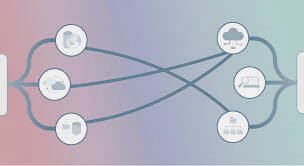
Data mapping involves aligning the fields and values from the source system to the corresponding fields in Oracle EBS. Additionally, data transformation might be necessary to meet data format, validation rules, or data standards of Oracle EBS. Key considerations include:
a. Understand Oracle EBS Data Model:
- Study the Oracle EBS data model, including tables, columns, data types, and relationships between entities.
- Gain insight into any specific requirements or constraints of the Oracle EBS data model.
b. Data Mapping Documentation:
- Create a comprehensive data mapping document that clearly outlines the source-to-target mappings for all data elements.
- Include details about any data transformations, validations, or derivations.
c. Data Transformation and Cleansing:
- Implement necessary data transformations to match Oracle EBS requirements (e.g., date formats, code conversions).
- Conduct data cleansing to eliminate duplicates, inconsistencies, and inaccuracies.
3. Data Validation and Pre-Load Checks

Data validation is a crucial step to ensure the accuracy and integrity of data before loading it into Oracle EBS. Performing pre-load checks will help identify potential issues that could impact the migration process. Consider the following:
a. Data Integrity Validation:
- Verify data integrity by running consistency checks to ensure data relationships are maintained.
- Identify and rectify any referential integrity issues.
b. Data Completeness and Accuracy:
- Validate data for completeness and accuracy, ensuring all mandatory fields are populated.
- Run data profiling to assess the quality of data.
c. Error Reporting and Handling:
- Implement mechanisms to capture and log errors during data validation.
- Define procedures to handle and correct errors efficiently.
4. Data Load Techniques
Once the data is adequately prepared and validated, the next step is to load it into Oracle E-Business Suite. There are various methods for data loading, and the choice depends on factors such as data volume, complexity, and system capabilities. Common techniques include:
a. Oracle Data Loaders:
- FNDLOAD
Oracle provides data loading tools such as Oracle Data Loader (FNDLOAD) and Application Object Library (AOL) data loaders. - Forms Data Loader
This is another popular tool for loading data Oracle E-Business Suite through front-end. The advantage of loading data from front-end forms is that it does not require any technical skills and any user can use the tool. You can test it free by clicking Download Data Loader - These tools allow you to upload data in bulk, reducing manual effort.
b. Oracle APIs:
- Oracle EBS offers Application Programming Interfaces (APIs) that enable programmatic data insertion.
- APIs provide data validation and adhere to business rules, ensuring data integrity.
c. Open Interface Tables:
- Some Oracle EBS modules have open interface tables that allow data to be loaded directly into staging tables before validation and processing.
5. Post-Migration Verification
After the data migration is complete, it is essential to perform post-migration verification to ensure that data is accurately and completely migrated. Key steps include:
a. Reconcile Data:
- Conduct a thorough reconciliation of migrated data against the source data to identify any discrepancies.
b. Perform Data Audits:
- Perform data audits to validate the accuracy and completeness of migrated data.
c. User Acceptance Testing (UAT):
- Engage end-users in UAT to verify that the migrated data aligns with their expectations and business processes.
d. Data Archiving and Cleanup:
- Archive the source data to maintain a historical record and free up storage space in legacy systems.
- Clean up any unnecessary data remnants from the source systems.
6. Data Migration Performance Optimization

To ensure efficient data migration, consider the following optimization techniques:
a. Data Partitioning:
- Partition large datasets to improve performance during data loading.
b. Parallel Processing:
- Utilize parallel processing capabilities to accelerate the migration process.
c. Batch Size Optimization:
- Adjust batch sizes during data loading to find the optimal balance between speed and resource utilization.
Conclusion
Data migration into Oracle E-Business Suite is a complex undertaking that requires meticulous planning, data preparation, validation, and loading techniques. By following the best practices outlined in this guide, organizations can achieve efficient and accurate data migration, reducing the risk of data issues and ensuring a smooth transition to Oracle EBS. Remember to thoroughly test and validate the migrated data to guarantee the success of the migration project.